

With the future of federal climate action uncertain, bold, local action is needed more than ever. Join us in supporting a new program to ensure clean air for all and a full and equitable transition to clean transportation.
For over thirty years, SSMC has fought for sustainability in San Mateo County, helping make our county a leader. But, climate change hasn’t stopped. Air pollution, wildfires, droughts and flooding threaten our way of life.
We have solutions, now we need to act. Our 2024 Indicators Report “Equitable Paths to EV Charging” identified a dangerous gap in our county’s ability to meet emissions targets and ensure clean air and a healthy future for all. Simply put, we do not have, nor are we on pace to have enough EV chargers to address the almost half of all emissions in our county coming from transportation. Without a huge shift to clean transportation locally, and leading the way for a transition nationally, the effects of climate change will worsen.
That’s where SSMC and YOU come in. We are launching a new program for 2025 to expand EV charging for everyone. We have a strong group of partners ready to collaborate and incentives in place, but we need your help to raise the funds to get this work off the ground.
Your support will fund the education and collaboration needed to implement infrastructure improvements that will benefit our community for decades. You’ll be part of the founding supporters who receive updates and special invites to see the work in progress in 2025.
Donations are tax deductible. Our EIN is 48-1265207. We’ve been awarded top ratings from Charity Navigator and Candid/Guidestar.
 .
The Need for EV Charging
Our 2024 Indicators Report identified the critical need for expanded EV charging:
- 49% of emissions are tied to transportation. We can’t meet our clean air, emissions and climate goals without moving a majority of drivers to clean transportation.
- Demand is growing, but EVs still represent less than 5% of all registered automobiles in California (non commercial), and they are largely owned by higher-income, white or Asian residents. Black and Latino communities, with under 1% EV adoption, face significant climate and equity challenges under California’s 2030 and 2035 EV sales mandates.
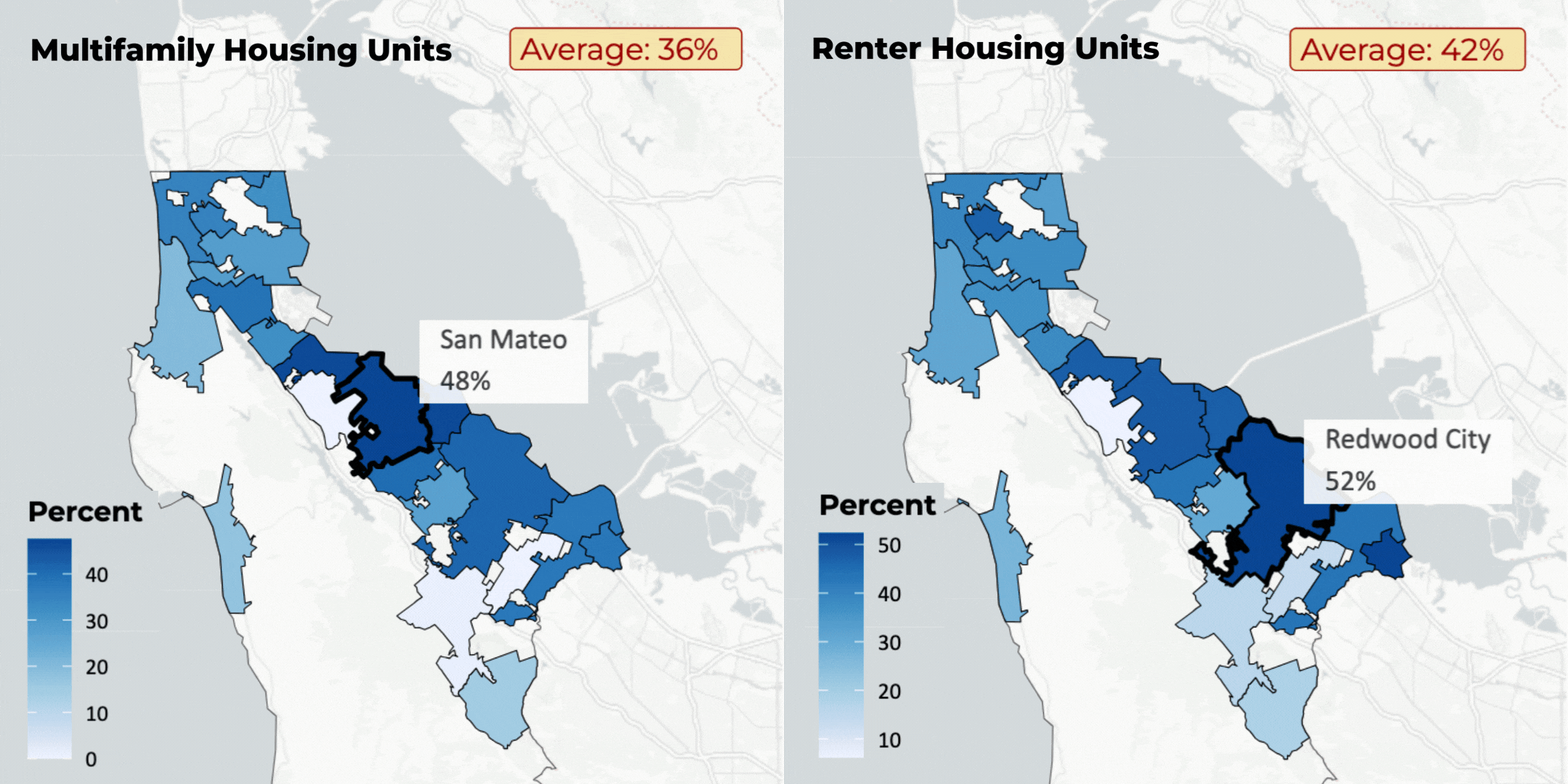
- Incentives for new and used EVs are available, but charging is lacking. 83% of EV charging is done at home. If you are a renter or live in a multifamily housing unit, you have very limited charging access. This includes whole neighborhoods in San Mateo County, where 36% of residents live in multifamily housing and 42% are renters.

What’s at Stake
If we do not expand EVs and EV charging beyond high-income households:
- Our air quality will worsen and we will see significant increases in poor health outcomes.
- We will not meet our climate goals and the negative impacts of climate change will affect everyone.
- Underserved communities will be hit the hardest, causing a bigger equity gap and the need for unprecedented social services.
A Solution is in Sight
The technology, installation support and incentive programs already exist. We just need to take action. SSMC is ready to lead the way. In 2025, we are targeting to:
- Activate a coalition of city council members and staff, leaders from community-based non profits, businesses and utility partners to commit to take action together.
- Research, listen and learn about the EV and EV charging barriers and needs of specific communities.
- Assess community-identified needs and conduct feasibility studies to identify locations with high potential impact, focusing on multifamily buildings, municipal parking lots and high-traffic areas serving low-income residents.
- Guide local governments and property owners in applying for state, federal and private grants to fund EV charger installation.
- Educate and engage community members by developing culturally relevant, multilingual educational materials and hosting community workshops to demystify EV technology and encourage participation in planning.
By supporting this targeted program–focused on reducing the almost 50% of emissions from transportation that have only decreased by 10% since 2005–you can have an outsized impact on the sustainability of our county and lead the way for other counties. Please support this new effort to make our air clean, reduce polluting emissions and make our county sustainable for everyone.
